Energy-Efficient Homes: A Guide To Sustainable Living
Sustainable living is the ability to meet your current needs without compromising the ability of future generations to meet theirs. This concept involves protecting and preserving our finite natural resources to ensure their continued availability. It is an honorable concept and one that could also improve your quality of life and bank balance, so it is certainly worth investigating.
How does sustainable living work in practice?
Sustainable living requires people to address areas within their lives where they are generating excessive carbon emissions. This means looking at their mode of transportation, the way in which they run their home, their food choices, and their purchasing habits.
By identifying areas for improvement in all four areas, it is possible to ingrain new and more sustainable habits that will not only minimise your impact on the planet but also make you healthier and wealthier.
Let’s look at each area in a bit more detail.
1. Mode of transportation.
If you routinely drive, consider whether there are ways in which you can make efficiencies. Can you car share with a friend or colleague who is going the same way as you, thereby removing one vehicle from the road?
Could you cycle or walk to work occasionally or leave home slightly earlier for the school run and let your children burn off some energy by walking, scooting or cycling to school? This not only eliminates your vehicle’s carbon emissions for this journey but also provides fresh air and exercise, which is great for your mental, emotional and physical well-being.
2. Running your home.
There are many ways in which you can make energy efficiencies in running your home. Making sure that you turn lights off when you are not in the room and don’t leave taps running are very obvious ones that not everybody abides by, even now. These tiny measures add up, so try to get into good habits.
Other ways in which you can reduce carbon emissions from your home include adequately insulating it. Grants are available to help you to install sufficient loft, cavity wall and floor insulation, which will help to regulate the temperature of your home and reduce your reliance on gas, electricity, oil and solid fuels to heat it.
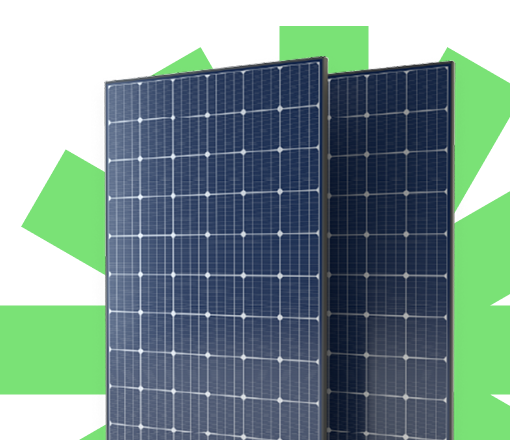
You could seek out renewable energy sources to power your home, such as installing solar panels, wind turbines or air or ground source heat pumps. Again, there are various grants and financial incentives available to eligible householders to switch to these modern methods of heating and powering your home. If you are not eligible, make sure that your energy supplier uses only green energy sources, and this, together with general good practice, will count as your contribution.
3. Food choices.
Try to buy local, sustainably sourced in-season produce where possible. Minimising transport miles is essential and also consider the conditions in which the food was grown and harvested. Although many promote a vegan or vegetarian diet, selecting ingredients which have been grown in areas of significant deforestation, harvested by poorly paid workers and subjected to considerable transport miles is ultimately less sustainable than purchasing high welfare meat from a local producer.
You could even consider growing your own fruit and vegetables or joining an allotment. It doesn’t take up a lot of space or time, the seeds and plants are often available very cheaply, and the welfare benefits of spending time in nature growing and eating your own crops are significant.
4. Purchasing habits.
Try to eliminate single use plastics from your purchasing habits and instead seek out products made from or packaged in recyclable or reusable packaging. You can often purchase second hand clothes, furniture and equipment at considerably reduced prices, stopping it from being dispatched to landfill and fulfilling your needs at the same time. Upcycling is a major trend, and by joining the upcycling revolution, you’ll be doing your bit for the environment and creating bespoke masterpieces for your home and family.
Consider the way in which you clean your home and car as well. Many cleaning products contain unnecessary toxic ingredients, and pre-soaked cleaning wipes are hard to dispose of, taking thousands of years to break down. Switching to reusable cloths and non-toxic cleaning fluids makes a huge difference to the environment and they usually last longer, representing a solid return on investment.
There are many ways in which your lifestyle choices can impact the planet. If you need help understanding the eligibility criteria for home improvement grants, please contact Next Energy today. We are authorised installers for a number of grant schemes and can help you to secure the funding to start your journey to sustainable living today.
You may also like...

Next Energy News
Next Energy & Southway Housing Trust support warmer, healthier homes across Greater Manchester
At a time when social housing providers are focused on improving the quality, comfort and energy efficiency of homes for...
Read More

Solar and Battery
What Happens to Solar Panels After 10, 15 and 20 Years?
Homeowners who invest in solar panels naturally wonder how their solar system will perform over the decades of service....
Read More
Solar and Battery
Why Solar Savings Vary So Much Between Similar UK Homes
Two neighbouring homes in the same town might install identical solar panel systems, yet one enjoys significantly higher energy savings...
Read More