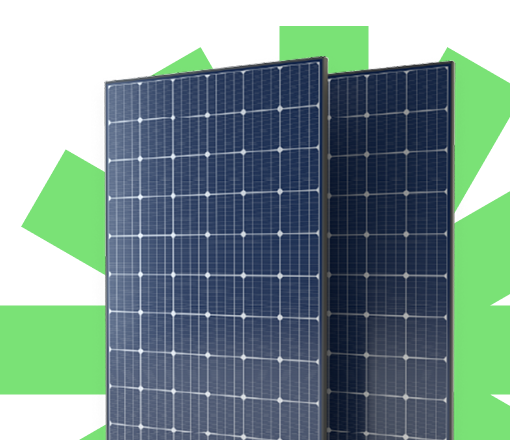
Why Solar Savings Vary So Much Between Similar UK Homes

Two neighbouring homes in the same town might install identical solar panel systems, yet one enjoys significantly higher energy savings than the other. This variation often surprises homeowners who expect uniform results from similar setups. Several property-specific and environmental factors explain these differences, including roof direction, tilt angle, shading, and local weather patterns.
Understanding these influences helps homeowners fund their own solar panel and solar battery installations, setting realistic expectations and maximising their returns. Professional solar surveys will identify these variables so your installer can design a solar system that delivers the strongest financial performance tailored to your home.
Roof Orientation Makes a Measurable Difference
MCS guidelines confirm that direction alone rarely disqualifies a roof, though south-facing setups consistently deliver the highest savings for UK homeowners. Solar panels positioned on south-facing roofs generate the most electricity because they receive direct sunlight from morning through to the evening. East and west-facing roofs still perform well throughout the year, catching morning sunlight for breakfast routines and afternoon energy when families return home and start cooking and using appliances. North-facing roofs produce less electricity than other roof directions but can still generate usable solar power through diffuse light and deliver worthwhile savings for many homes.
Did you know? 💡
Most UK roofs sit between 30 and 45 degrees, naturally aligning with the optimal tilt for solar panels.
Solar Panel Tilt Angle Boosts Year-Round Performance
The angle at which solar panels face the horizon, called the tilt angle, plays a crucial role in capturing sunlight effectively. In the UK, a roof tilt angle of 30-40 degrees is considered ideal. This angle works well because it balances strong summer production (when the sun is high) with valuable winter gains (when the sun sits much lower in the sky). Many standard-pitched roofs naturally fall within this range, so most homes don’t need special adjustments.
Real-world testing has confirmed that even if your roof isn’t the perfect angle, the impact stays small. A 10-degree difference from the ideal roof position might reduce your yearly solar energy output by just 2 to 4 percent. Flat roofs solve this completely with adjustable mounting frames that allow solar installers to set panels at the perfect tilt regardless of the roof, delivering the same strong savings as any other home.
Shading Can Dramatically Reduce Solar Panel Output
Nearby trees, chimneys, or neighbouring buildings cast shadows that block sunlight from reaching solar panels, often causing the biggest unexpected drops in energy savings. Even partial shading on just one solar panel can affect an entire string of panels through standard inverter technology, dramatically reducing your daily electricity production on shaded days.
Modern solar optimisers, devices that maximise the energy output of individual solar panels, solve this problem by allowing each shaded panel to operate independently. This means the rest of your system continues to perform at full capacity regardless of the conditions of an individual solar panel. Professional solar installers can use specialised software to identify these potential issues, map shadows throughout the year, and carefully position panels in the clearest possible zones. Homes with mature gardens, tall trees, or urban settings benefit most from this detailed analysis. It can mean simple fixes like trimming overhanging branches or strategic panel placement can unlock substantial additional savings.
Local Weather Patterns Create Variations in Solar Savings
Sunlight levels vary across the UK, directly affecting how much electricity your solar panels can produce. Southern and eastern regions, such as London, East Anglia, and the South Coast, enjoy more consistent sunshine throughout the year, which supports stronger solar energy generation and bigger bill savings. Northern areas like Scotland, Northern Ireland, and northern England naturally receive less direct sunlight overall due to their position further from the equator and more frequent cloud cover.
Rainfall patterns also play a helpful role. Wetter regions across the UK actually benefit from natural cleaning of solar panels, where rain washes dust, pollen, and bird droppings off tilted solar panels more effectively than in drier areas. These local weather differences explain why identical solar systems produce different savings depending on your postcode. Sunnier southern homes might see stronger energy returns while northern systems deliver slightly more modest (but still worthwhile) solar savings. Importantly, solar technology remains financially attractive nationwide because installation costs and energy prices affect all regions equally, keeping payback periods competitive from Land’s End to John O’Groats.
Tailored Advice Ensures Maximum Solar Savings
Solar installations delivered by solar specialists like Next Energy are designed to account for your roof, location, and habits, ensuring competitive returns regardless of starting conditions.
Contact Next Energy today for your free solar survey. Our experts will analyse your home’s potential, forecast your solar savings, and design a solar system built for maximum efficiency and long-term value.
You may also like...

Next Energy News
Next Energy & Southway Housing Trust support warmer, healthier homes across Greater Manchester
At a time when social housing providers are focused on improving the quality, comfort and energy efficiency of homes for...
Read More
Solar and Battery
What Happens to Solar Panels After 10, 15 and 20 Years?
Homeowners who invest in solar panels naturally wonder how their solar system will perform over the decades of service....
Read More
Solar and Battery
Smart Export Guarantee Explained: How You Get Paid for Exporting Solar
Homeowners with solar panels often generate more electricity than their household needs during sunny periods. The Smart Export Guarantee (SEG)...
Read More