Cavity Wall Insulation
Reduce your heating bills and keep your house warm with effective cavity wall insulation from Next Energy. Ask us about free cavity wall insulation grants.
Trusted across the UK

















What Is Cavity Wall Insulation?

Does your house always feel cold? Are there lots of draughts? It could be due to uninsulated gaps between your exterior walls. These cavities let out massive amounts of heat.
Cavity wall insulation involves filling the space between the inner and outer exterior walls. You can use a variety of materials for filling the cavity space, including urea formaldehyde expanding foam, cellulose, polystyrene beads and mineral wool or rock wool. At Next Energy, we prefer to use polystyrene beads as they are much more effective and provide exceptional insulation. You’ll notice a difference in the warmth of your house straight away.
Cavity wall insulation is an effective way to keep your home warm in the winter and cool in the summer, and it can also help to reduce noise pollution. Want to find out more? Get in touch.
How does cavity wall insulation work?
Small holes are drilled into the outside walls and the insulating material is pumped inside. The holes are then filled once that section is full.
The process is repeated around the side of the house until all walls are filled. The final result is barely noticeable, but you will start to notice improvements.
Cavity wall insulation can be easily retrofitted in homes and it is a quick and efficient process.
Why not call us and chat about how the process would work and find out about cavity wall insulation grants in your area.

What are the benefits of cavity wall insulation?

- Reduces your annual energy bills
- Reduces heat loss by 35%
- Reduces your carbon footprint
- Protects you from spiralling energy prices
- Improves Energy Performance Certificate (EPC) rating
- Keeps your home warmer for longer
- Provides a more even temperature and reduces draughts
- Easy to install and fast
- No impact to the look of your home
Do you have cavity walls?
The easiest way to find out if you have a cavity wall type is to check the Energy Performance Certificate (EPC) of your property, if you have one. An alternative is to check by looking at the brick pattern of your external walls.
Here is our handy comparison:
Cavity Walls
Solid Walls
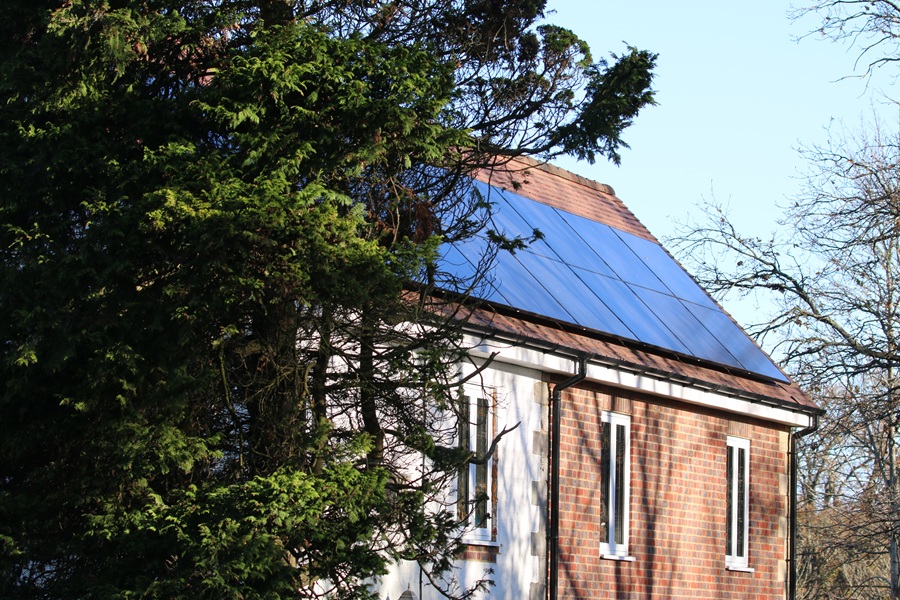
If your home has cavity walls, the bricks will most likely have an even pattern , with each brick laid lengthways.

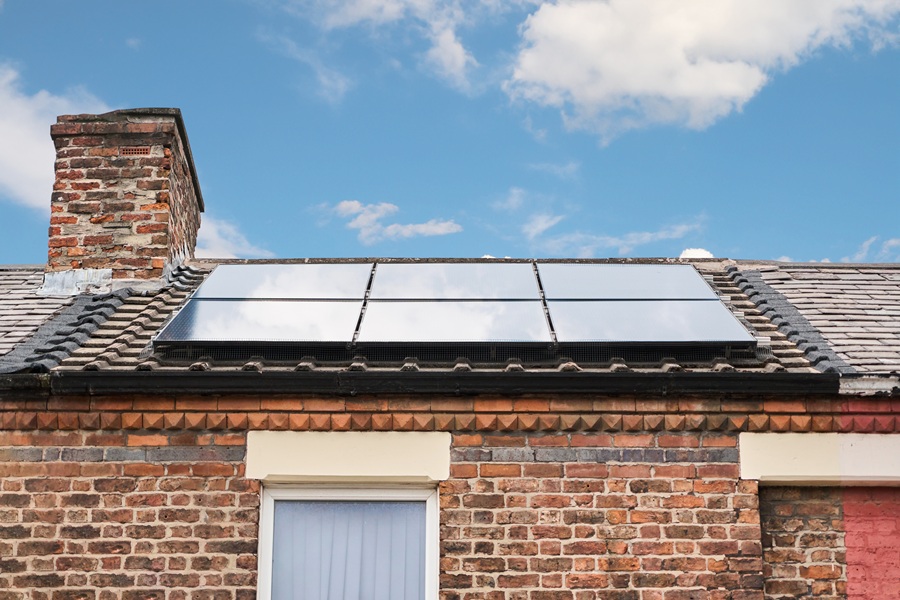
If your home has solid walls, the bricks will have an uneven pattern, with some of the bricks visibly laid sideways.