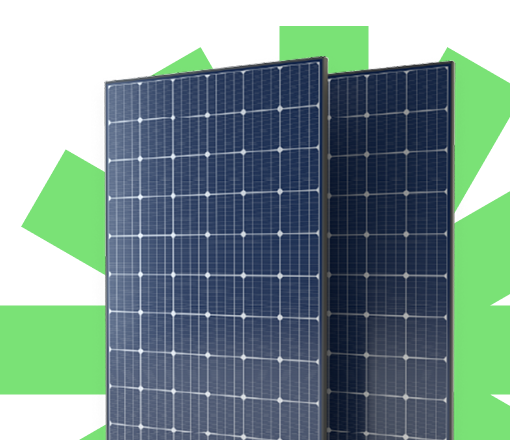
What Happens to Solar Panels After 10, 15 and 20 Years?

Homeowners who invest in solar panels naturally wonder how their solar system will perform over the decades of service. These installations represent long-term commitments designed to deliver renewable energy through changing weather and seasons. Quality panels gradually lose a small amount of efficiency each year, yet continue generating substantial power well beyond the initial decade.
UK environmental conditions actually prove favourable for solar panel longevity. Moderate temperatures and regular rainfall help maintain performance compared to hotter, drier climates. Understanding this natural ageing process reassures homeowners that their investment remains productive throughout extensive lifespans.
Strong Solar Performance Continues After 10 Years
After 10 years of service, quality solar panels continue operating at levels very close to their original capacity. All solar panels experience some natural material degradation over time due to exposure to sunlight, moisture, and temperature changes. However, high-quality panels from reputable manufacturers gradually lose efficiency and maintain strong electricity output throughout the first decade.
UK weather conditions actually support this long-term performance. Regular British rainfall naturally cleans solar panel surfaces, preventing dust and debris buildup that reduces energy output in drier climates. Cooler average temperatures reduce heat-related stress, which accelerates degradation in hotter countries. Together, these factors help maintain steady electricity production, reliably powering UK households.
You may find that your inverter needs replacing around this time, as it typically needs attention every 10-15 years. This is a normal part of solar system maintenance and shouldn’t be a cause for concern. An engineer can swap the inverter in a single day, restoring efficient energy conversion while your original panels keep generating electricity.
Did you know? 💡
Solar panels contain no moving parts, making them far more reliable than traditional boilers or generators that wear out from mechanical stress.
Reliable Solar Energy Output at the 15-Year Mark
After 15 years, your solar panels should still produce plenty of electricity to power your home effectively. Manufacturers build them with strong, durable materials specifically designed to handle UK weather conditions. These include heavy rain, cold winters, summer humidity, and constant temperature swings that would damage weaker panels. The cells in your solar panels maintain strong performance without significant degradation, so they continue contributing to your household electricity costs.
The solar panels also continue to produce surplus electricity for evening battery storage or for export to the grid through SEG payments, boosting your financial returns and providing renewable energy in your home for nighttime use. As a result, your bill savings build steadily year after year.
Continued Solar Power Generation After 20 Years
Even after 20 years, quality solar panels continue producing meaningful electricity for typical households. While output naturally reduces over decades of weather exposure, the panels still generate enough power to meaningfully offset grid electricity costs, particularly during peak price periods. Modern homes find that this generation covers substantial daily needs from lighting, appliances, and device charging.
As we already discussed, inverters typically last 10-15 years, so you may need another inverter replacement during the second decade. This will ensure efficient power conversion from your solar panels to household appliances. Your original panels continue generating electricity while the inverter upgrade maintains proper solar system performance.
Solar Panel Warranties Provide Lasting Confidence
When you buy high-quality solar panels, the manufacturer offers a warranty that lasts for a set number of years (typically guaranteeing 80-90% output after 25 years). This warranty essentially guarantees that your panels will continue to generate electricity during that period.
As part of your warranty, you are usually required to arrange regular professional inspections of your solar system (typically every 3-5 years). These inspections verify that your panels, wiring, and inverter remain in good condition and meet safety standards. Failing to complete these warranty-required inspections could invalidate your warranty coverage if problems arise later, leaving you responsible for replacement costs.
The engineer will:
- Visually inspect panels for damage/debris
- Test inverters and electricals
- Analyse energy production
- Check mounting security
- Identify issues like cracks, corrosion, or performance dips
At the end of the inspection, you receive a report confirming that your system is being properly maintained. This inspection report serves as proof of proper maintenance should you ever need to make a claim on your solar warranty.
Decades of Reliable Solar Energy
Solar panels transform from high-output systems into dependable energy sources that serve homes faithfully through decades. Gradual performance changes prove manageable while rising electricity prices amplify the value of continued generation. Quality installations deliver returns that grow more valuable relative to grid costs each passing year.
Contact us today for your free solar survey. Our experts will discuss your long-term expectations and match you with a solar system designed for decades of reliable service.
You may also like...

Next Energy News
Next Energy & Southway Housing Trust support warmer, healthier homes across Greater Manchester
At a time when social housing providers are focused on improving the quality, comfort and energy efficiency of homes for...
Read More
Solar and Battery
Why Solar Savings Vary So Much Between Similar UK Homes
Two neighbouring homes in the same town might install identical solar panel systems, yet one enjoys significantly higher energy savings...
Read More
Solar and Battery
Smart Export Guarantee Explained: How You Get Paid for Exporting Solar
Homeowners with solar panels often generate more electricity than their household needs during sunny periods. The Smart Export Guarantee (SEG)...
Read More