Maximising Energy Savings with ECO4: Top Tips for Homeowners
Energy conservation and sustainability are paramount concerns in 2023. Not only does reducing energy consumption help protect the environment, but it also results in lower utility bills for homeowners. One effective way to achieve energy savings is by embracing the ECO4 approach, which encompasses four key principles: energy efficiency, conservation, optimisation, and renewable energy integration.
In this guide, we’ll explore top tips for homeowners to maximise energy savings using the ECO4 framework.
Energy Efficiency: Invest in Energy-Efficient Appliances and Lighting
The first aspect of the ECO4 framework, energy efficiency, focuses on reducing energy consumption without sacrificing comfort or functionality. We recommend upgrading to energy-efficient appliances and lighting and looking for Energy Star-certified appliances, which use significantly less energy compared to their conventional counterparts. LED bulbs, for example, consume less electricity and last longer than traditional incandescent bulbs.
Additionally, consider installing a programmable thermostat to regulate your home’s temperature. Smart thermostats, which can be controlled remotely via a smartphone app, offer even more precise control and can adapt to your schedule, reducing heating costs.


Conservation: Practice Energy-Saving Habits
Conservation is all about changing habits to reduce energy consumption. Simple changes in your daily routine can make a significant difference:
- Turn off lights, electronics and appliances when not in use.
- Seal gaps and cracks in your home’s insulation to prevent drafts.
- Unplug chargers and devices when they’re not actively charging.
- Wash clothes at 30 degrees and hang them to dry whenever possible.
- Regularly clean or replace filters in your heating system to ensure it operates efficiently.
- Set your water heater’s thermostat to a lower temperature (around 49°C) to reduce the energy needed for heating water.
Home Energy Audits and Upgrades
Maximising your home energy savings involves conducting a thorough evaluation of your home’s energy usage and making strategic upgrades. Start by scheduling a professional energy audit with us at Next Energy.
During the assessment, a trained technician will assess your home’s insulation, heating and boiler system, windows, doors and other areas for energy efficiency. Based on the audit’s findings, you can prioritise and implement improvements, such as:
Adding insulation or upgrading existing insulation to meet recommended levels.
- Sealing air leaks in windows and doors.
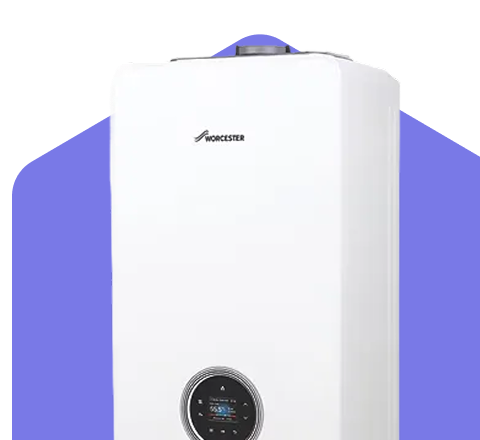
- Upgrading to a high-efficiency heating system.
- Installing energy-efficient windows and doors if needed.
- Implementing renewable energy solutions like solar panels.
- Replacing old and inefficient water heaters with newer, energy-efficient models.
Renewable Energy Integration: Harness Solar Power
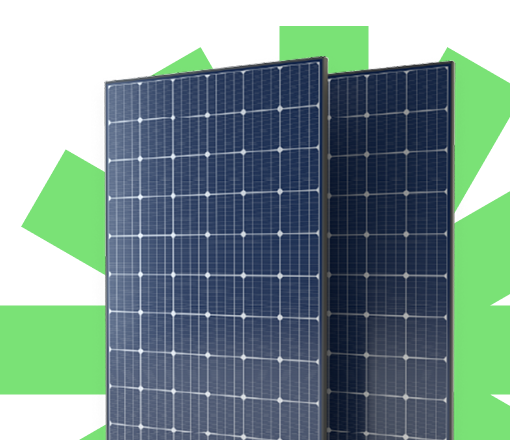
The main focus of the ECO4 framework is renewable energy integration. Solar power is one of the most accessible and effective renewable energy sources for homeowners. Installing solar panels on your roof or property can significantly reduce your reliance on grid electricity and lower your carbon footprint.
Before investing in a solar energy system, consider these steps:
Determine how much sunlight your home receives throughout the year and whether your roof is suitable for solar panels. Ideally, your roof should face south and have minimal shading.
Consult with several reputable solar installation companies to compare costs and system designs. Be sure to inquire about available incentives, grants and financing options.
Review your past utility bills to understand your energy consumption patterns. This information will help you determine the appropriate size of your solar system.
Research different solar panel brands, models and technologies to select the most suitable options for your budget and energy goals. Similarly, consider the type of inverters (string inverters, microinverters or power optimisers) that will best suit your system.
After installation, regularly monitor your solar panels’ performance to ensure they’re generating the expected amount of electricity. Most modern solar systems come with monitoring tools that allow you to track energy production and detect any issues promptly.

In conclusion, maximising energy savings with the ECO4 framework involves a comprehensive approach that includes energy efficiency, conservation, optimisation and renewable energy integration. By implementing these strategies and adopting energy-conscious habits, homeowners can reduce their energy bills, lower their environmental impact and enjoy a more comfortable and sustainable living space. Investing in energy efficiency and renewable energy not only benefits homeowners but also contributes to a greener and more sustainable future for all.
ECO4 is to be in operation from July 2022 to March 2026, with eligibility spanning England, Scotland and Wales. To qualify, properties must attain an EPC rating of C. In cases where ratings fall below C, primary insulation measures must be undertaken to uplift the rating. OFGEM estimates that approximately 3.5 million homes will meet the eligibility criteria.
A substantial funding of £1 billion has been allocated for this initiative, with the goal of achieving annual consumer savings totalling £224.3 million. Contact us at Next Energy to find out more about ECO4 and whether you are eligible.
You may also like...

Next Energy News
Next Energy & Southway Housing Trust support warmer, healthier homes across Greater Manchester
At a time when social housing providers are focused on improving the quality, comfort and energy efficiency of homes for...
Read More

Solar and Battery
What Happens to Solar Panels After 10, 15 and 20 Years?
Homeowners who invest in solar panels naturally wonder how their solar system will perform over the decades of service....
Read More
Solar and Battery
Why Solar Savings Vary So Much Between Similar UK Homes
Two neighbouring homes in the same town might install identical solar panel systems, yet one enjoys significantly higher energy savings...
Read More