ECO scheme annual spend to increase by £1bn
In February, the government announced a decision to top up the Energy Company Obligation fund (ECO) to £1 billion per year. The original focus of ECO was to reduce carbon emissions from power stations, but in practice this has boiled down to subsidising the energy efficiency of our homes.
ECO places a responsibility on energy suppliers to find ways to achieve it and Ofgem oversees a variety of schemes by which they can be penalised or rewarded accordingly.
The good news is that many households are now eligible for some degree of support toward home energy improvements, often including boiler installations and loft insulation. Those on benefits and low incomes get priority. There are also obligations on landlords and house builders.
Other government eco grants
Just one month after the £1 billion fund was announced, the older Green Homes Grant scheme run by the Department for Business Energy and Industrial Strategy (BEIS), was scheduled for closure. Anyone who has already applied under that scheme can still receive an award – when their application is ultimately processed.
The Green Homes Grant has been criticised for taking too long to process applications, turning too many down and failing to pay contractors promptly. By the end of February, there had been 123,537 voucher applications but only 28,277 vouchers were approved and only 1/5th of those have actually been used. Worse, only 2,908 voucher reimbursements have been received by the installers. The Environmental Audit Committee described that scheme as “woefully inadequate” and Greenpeace called it “shambolic”.
ECO is expected to be more efficient than older government eco grants, so even if you were turned down under the old scheme, it is now worth trying again.
The Fuel Strategy Policy for England
ECO includes an “Affordable Warmth Obligation” (also known as the Home Heating Cost Reduction Obligation). This undertakes to ensure every home has an Energy Performance Certificate (EPC) of at least band C by 2030. Under current law landlords cannot legally lease homes without a band E certificate.
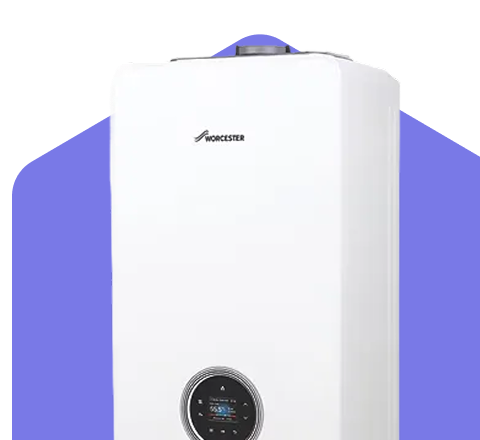
Most homes that depend on electric storage heaters, gas fires and coal fires will almost certainly qualify for help with the installation of complete central heating systems – radiators as well as boilers. You can also receive help to replace boilers that are uneconomical to repair or deemed fuel inefficient, and also for a range of other home heating improvements.
Applying for government eco grants
Many households can now access help through their energy supplier or through local government-run schemes. For example, one boiler replacement scheme in Liverpool is administered by the Healthy Homes home improvement agency on behalf of Liverpool City Council. This free boiler scheme in Liverpool is fairly typical but the eligibility rules vary around the country.
Schemes are also run by energy companies, so if you need a boiler replacement in Liverpool, head over to our application page to see if we can help obtain a grant for you. Finding out about all your different entitlements can be difficult and often professional installers are the most knowledgeable. Make sure you only deal with a TrustMark certified engineering company such as Next Energy.
You may also like...

Next Energy News
Next Energy & Southway Housing Trust support warmer, healthier homes across Greater Manchester
At a time when social housing providers are focused on improving the quality, comfort and energy efficiency of homes for...
Read More

Solar and Battery
What Happens to Solar Panels After 10, 15 and 20 Years?
Homeowners who invest in solar panels naturally wonder how their solar system will perform over the decades of service....
Read More

Solar and Battery
Why Solar Savings Vary So Much Between Similar UK Homes
Two neighbouring homes in the same town might install identical solar panel systems, yet one enjoys significantly higher energy savings...
Read More