The Consumer Prices Index of September 2023 reports an increase of 6.3% [1] over the next 12-month period. This means that homeowners and tenants in England, Scotland, and Wales are continuing to be cash-strapped as we approach another winter.
Although the energy price cap for October to December has dropped, reflecting recent falls in wholesale energy prices, the average home will still cost more to heat this winter than has traditionally been the norm.
For those concerned about escalating prices, there is good news on the horizon as the Government recently announced the launch of the Great British Insulation Scheme.
What is this scheme?
This new scheme aims to reduce home energy bills through the supply of free or subsidised insulation for qualifying applicants and properties. Insulating your home reduces heat loss and can save up to £455 a year on energy bills [2], so it is well worth doing.
This scheme aims to make energy efficiency improvements to the least energy-efficient homes in the country in a bid to reduce energy bills and tackle fuel poverty. The scheme has replaced the ECO+ scheme previously in operation and will complement the ECO4 Scheme, delivering single insulation measures rather than “whole of house” upgrades.
What insulation options are available?
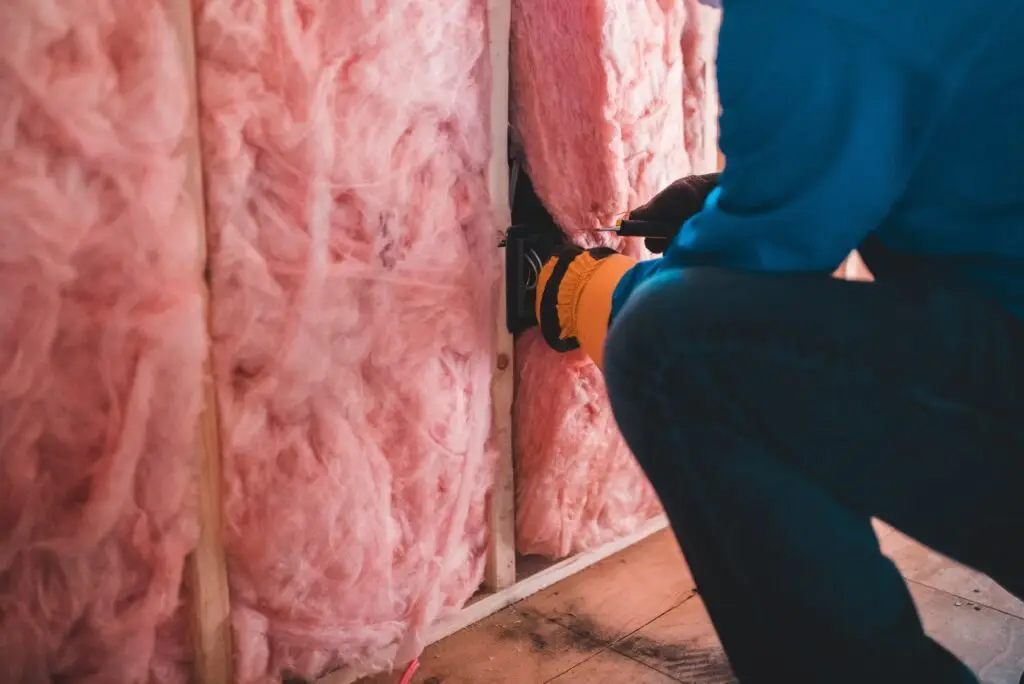
Applicants’ properties will be assessed to determine which insulation upgrade will make the greatest difference to the property and the quality of life of its occupants. The different insulation types to be considered are:
- Loft Insulation
- Solid Floor Insulation
- Underfloor Insulation
- Cavity Wall Insulation
- Park Home Insulation
- Flat or Pitched Roof Insulation
- Room-in-room Insulation
- Solid Wall Insulation (Internal or External)
Under this scheme, properties will typically only be eligible for one energy efficiency upgrade, and this will be determined based on which will deliver the greatest benefit.
Who is eligible?
Applicants for this new scheme will be considered in one of two groups. The first group is for applicants on low incomes, while other applicants will be assigned to a general group.
1. Low-income group
Applicants will be considered to be in the low-income group if they own or rent a home that has an Energy Performance Certificate (EPC) of D or below and are on benefits such as income support, pension credit, child benefit, or universal credit.
Applicants will also be considered to be in this group if they occupy social housing or are considered by their local council to be in a low-income group that is vulnerable to the effects of living in a cold home.
Applicants from this group are likely to have their insulation measures installed for free.
2. General Group
Applicants will be considered to be in the general group if they own or rent a home in council tax band A to D (A to E in Scotland and Wales) that has an EPC rating of D or below.
Applicants from this group may be required to contribute towards the costs of insulating their homes.
Be Aware
Claiming certain benefits will qualify applicants to apply for insulation upgrades under the low income group. These benefits are listed on the Government website [3] but are no guarantee of acceptance, particularly if the applicant has already benefited from energy efficiency upgrades under a previous scheme.
Those applicants occupying rental properties must seek permission from their landlord prior to applying for the scheme. It is strictly prohibited for work to be carried out without the homeowner’s permission.
How to apply
At Next Energy, we welcome inquiries from tenants and homeowners across the North West of England who wish to discuss their eligibility for this and other government grant schemes for which we are approved installers.
We are committed to delivering as many upgrades as possible before winter, to increase the number of local residents living in a warm and comfortable home. To find out more about how Next Energy can help you, Apply Now.